
Masks and False Names
The Three MusketeersThis flow examines how disguise and misinformation govern both court politics and personal relationships.
increasing Bearing strength in each event
 decreasing
Bearing strength in each eventdecreasingAssumed Identities
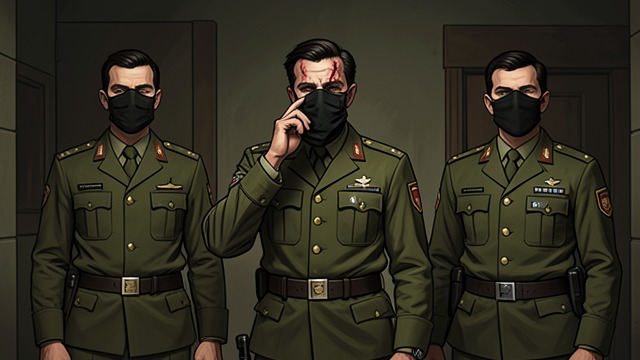
Names as Armor
Pseudonymous Musketeers
Athos, Porthos, and Aramis conceal family identities behind military names.
Social Mobility
The disguise protects private histories while allowing provincial ambition to enter aristocratic space.
Political Disguises
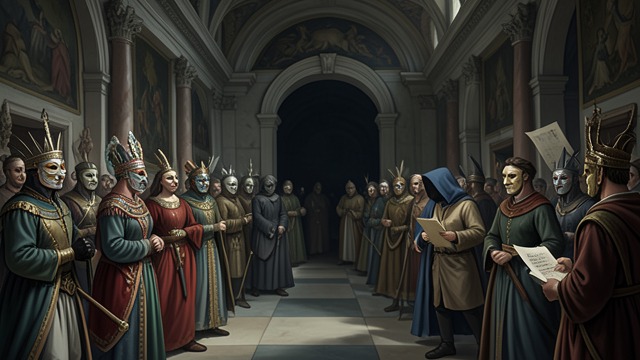
Court as Theater
Hidden Movements
Buckingham enters France in disguise, while messengers and servants move under borrowed identities.
Information War
The court's visible ceremonies conceal a second world of secret costumes, passwords, and false destinations.
D'Artagnan as de Wardes
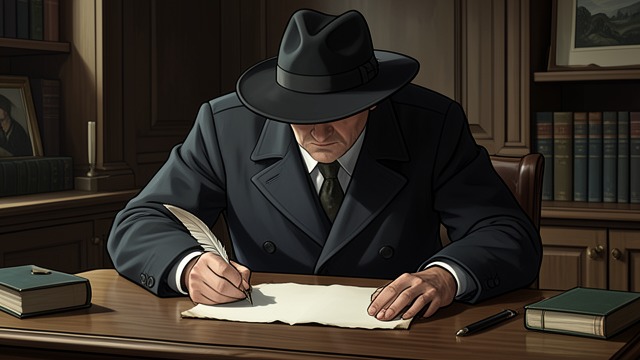
Desire Exploits Deception
Borrowed Name
D'Artagnan answers Milady's letters while pretending to be Comte de Wardes.
Moral Compromise
He uses the same machinery of deception that he condemns in Milady. Vengeance makes him resemble his enemy.
The Forged Letter
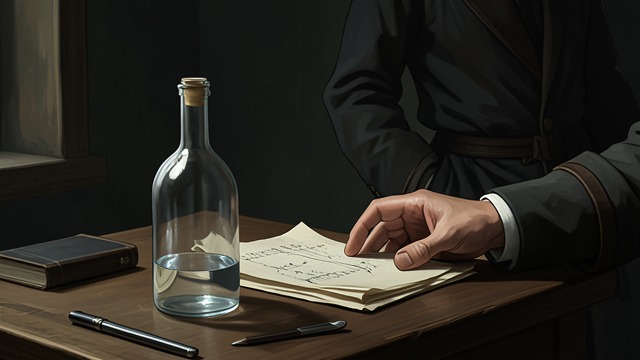
Trust Manufactured
Counterfeit Friendship
Milady sends wine with a forged message implying that it comes from d'Artagnan's companions.
Violence Through Interpretation
The letter makes the poison believable. Deception succeeds because emotional loyalty supplies the missing evidence.
Truth at Trial
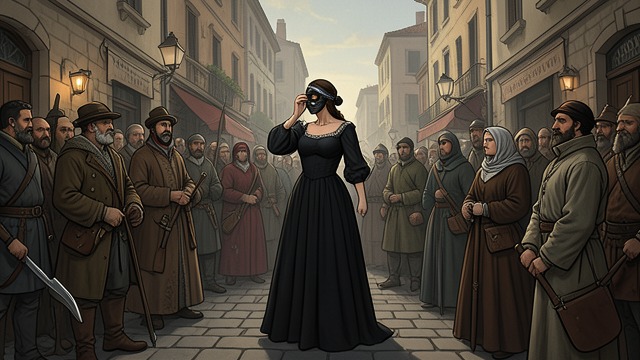
Masks Removed
Public Naming
The trial forces Milady's identities—Charlotte Backson, Comtesse de la Fère, and Milady de Winter—into one record.
Exposure as Punishment
Her power depended on separate names. Once the names are joined, the hidden past becomes a weapon against her.
the opening chapters
during the Louvre intrigue
after Milady's first rejected letters
during the poisoned-wine plot
the final night at Armentières
